


Will the Bank of Canada cut interest rates again tomorrow (March 4, 2015)?
Kelly Hudson • March 3, 2015

Dr. Sherry Cooper Will the Bank of Canada cut interest rates again tomorrow
(March 4, 2015)?
In January, the Bank of Canada cut interest rates by one-quarter-percentage point. This led to a number of our offices reporting higher than usual activity over the last month.
So, will the Bank of Canada make an additional cut when they meet tomorrow?
Dr. Sherry Cooper – our very own Chief Economist – offers her insight in this first of many upcoming Youtube videos. Click HERE to watch!
Will @BankofCanada cut interest rates again March 4th? @DLCCanadaInc’s @DrShirleyCooper offers her insights. VIDEO: http://youtu.be/smVbZkjEedA
Kelly Hudson
MORTGAGE ARCHITECTS

RECENT POSTS

If you're thinking about buying a home in BC, one of the first questions you probably have is: How much mortgage can I qualify for? Your income is certainly important, but it isn't the only number a mortgage lender looks at. Lenders also consider your debts, credit history, down payment, property costs and something called your mortgage lending ratios . The two ratios you'll hear about most often are GDS (Gross Debt Service) and TDS (Total Debt Service) . The names sound complicated. The math really isn't. Understanding how GDS and TDS work can give you a much better idea of what you may qualify for — and why two people earning the same income could qualify for very different mortgage amounts.
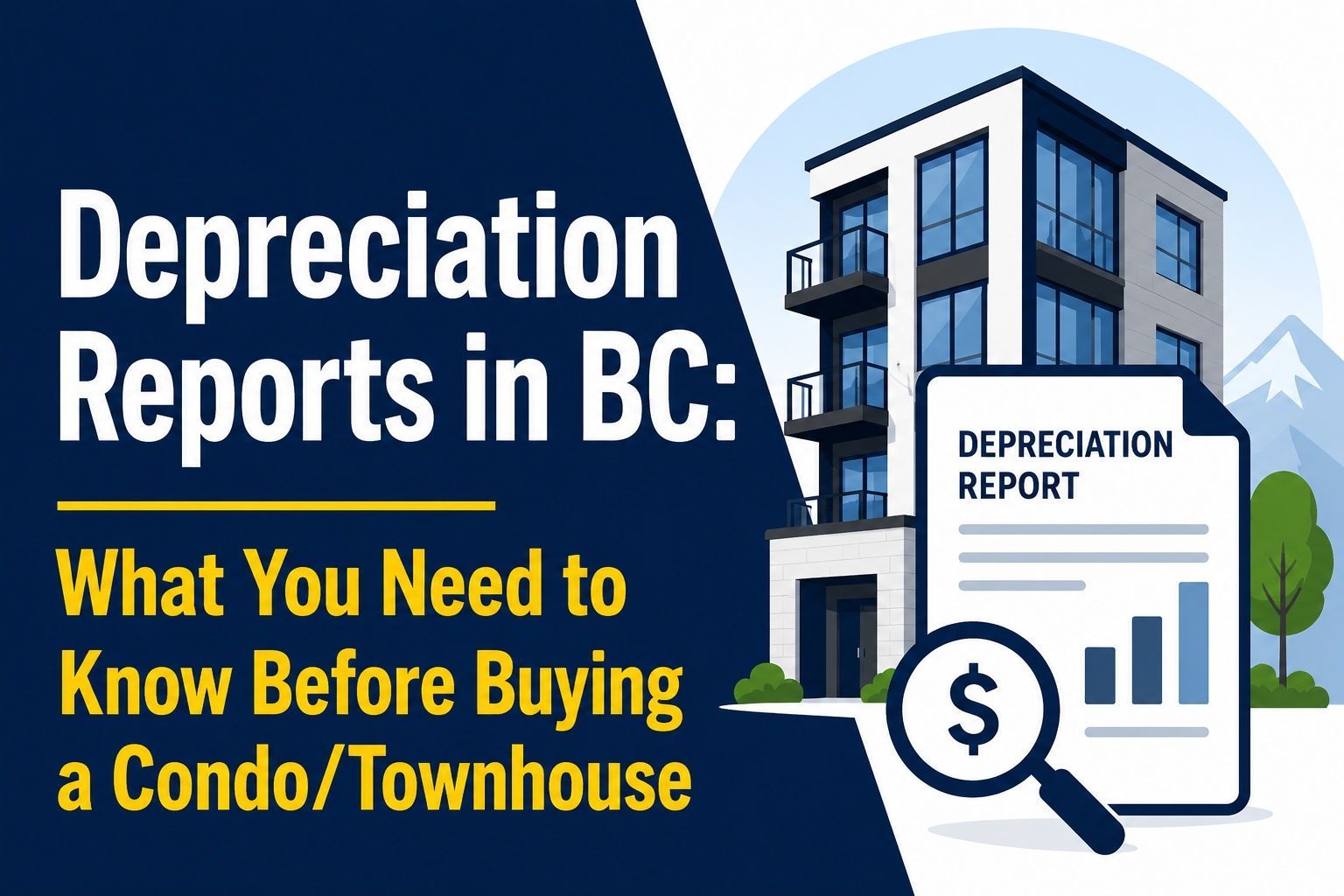
If you’re buying a condo, townhouse, or bare-land strata property in BC, there’s one document many buyers overlook: the depreciation report. Strata depreciation report requirements - Province of British Columbia And honestly… it’s one of the most important documents you can review before buying. I see this all the time with clients. Some buyers carefully review it. Others quickly skim through it just to “check the box.” But this report can affect: your mortgage approval future repair costs special levies insurance and how stressful ownership may become later So, let’s break it down in simple, real-world language.